Life in Japan | Learning to be real and letting go of codependency

Kasama, Ibaraki. It’s another grey day, the kind of day I find ideal for self-reflection. I have travelled to another city to see the local chrysanthemum festival. It’s not a long journey, about an hour and a half from start to finish…a little less if you count the mad dash I made to catch the bus to the train station.

After four and half years of living Japan, I have begun truly exploring my world. Sure, I visited Tokyo and Kyoto, got close to Mt. Fuji and visited some famous shrines. However, I was never really invested in visiting those places.

I was simply following along with the desires of others. This has been one of my biggest challenges in life: unlearning my codependency.

I was raised to be self-sacrificing, trained to be self-effacing, and taught that I was unworthy of unconditional love. With poor attachment and thus even poorer boundaries, I tried to navigate life through pleasing others in a bid to find acceptance, a place of belonging.

Some young version of self had been desperate for someplace to call home and for someone to call family. Some of you may be familiar with this feeling.

My navigation has led to a thoroughly interesting life that has provided (and continues to provide) me with opportunities for self-development. If living in Italy taught me about the importance of connecting with others, then living in Japan is teaching me about the importance of putting forth my authentic self.

In a culture that values the public face (建前), I have decided I no longer need my masks…because I am who I am. There is a beauty to being exactly who I am at all times. I laugh, cry, feel frustration and anxiety…sometimes all at the same time!

Expressing my true self, my “true sound” (本音), is my daily flow now. I am listening carefully to myself for the first time. I am giving myself the attention that I gave so freely to others in the past.

I feel zero shame or guilt for having been codependent. Codependency was my tool for surviving life. Certainly, I am glad that moving forward I don’t have a use for it.

I am a highly sensitive and empathic person who has spent enough years trying to conform to expectations of others, regardless of those expectations. It isn’t and wasn’t healthy.

Understanding how and why codependency serves a purpose in your life is key to making the changes necessary to shift your life from one of merely surviving to one of meaningful thriving.

Letting go of codependency doesn’t mean that you stop caring about others. It means that you have started:

  • caring about yourself
  • listening to your needs
  • honouring your feelings
  • clearing internal and external sources of toxicity (psychological and physical)
  • learning about yourself
  • focusing on fully crafting your own life, and
  • putting yourself first.

This list could be longer. However, I think you get the point. Overcoming codependency means acknowledging yourself as a being worthy of good things/experiences…and that you can give yourself those things/experiences.
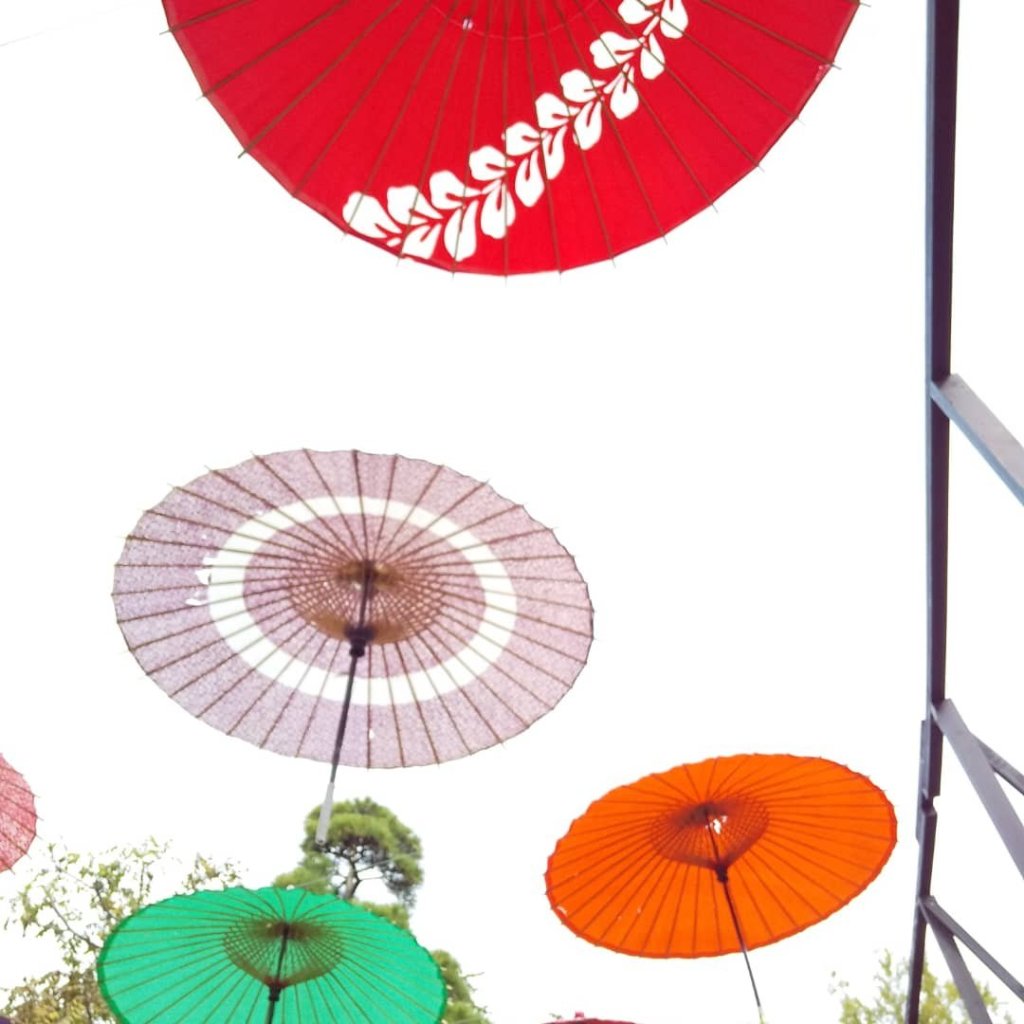
Umbrellas, Kasama Inari Shrine

Codependents are like chameleons, changing their outer expression of self to adapt to their environment, hoping that they will not become prey for predators. If I change, blend in just enough, then all will be well. It won’t. You will only lose yourself in the process.

Did you know that chameleons in their natural states are lovely shades of brown or green?

Letting go may not be easy. However, it is worthwhile. Seeing yourself for who you are, understanding what drives you, and loving yourself for all that you are and are not is the reward for choosing the process.

Be you, whoever that may be. Let others be themselves. Create strong boundaries and never lose sight of yourself.

Many thanks to those who have helped me to arrive at this point in my development. It’s been quite the journey to loving myself as I am. I will continue to create my path and share my process.

Now, it’s time to return home.
Life in Japan | Begin Where You Are

Photo by Pixabay on Pexels.com

Mito, Ibaraki, Japan. Weather: Rainy.

I’m sitting in one of the many cafés I consider a second home, watching passersby struggling with or embracing the rain. It’s Sunday morning and early enough that the late night clubgoers are still heading home. I am in awe of the high schoolers heading off to club activities and the salarymen who are likely heading to work some more. An obaachan holds on to her umbrella for dear life, her hands look gnarled yet strong and her bent back has seen its fair share of field labour of potato and rice harvesting, I imagine. That’s right, I am imagining, imagining the lives of the many people who happen by and who will likely remain unaware of my observation. What about my own life?

Recently, I have taken another step, shifting away from simply observing to taking action. A life lived in limbo is a life left on pause. I decided it was time to press my play button and see what happens. It’s a wild yet freeing feeling. I am learning to make peace with who I am and where I am in my life. Beginning where I am as who I am…what a crazy notion, at least for me. And it all began with a simple question: who would I have been if [insert whatever traumatic experience] didn’t happen?

Upon waking, I thank the universe that I have another opportunity to continue on this interesting journey called life. I am grateful for my breathing because I know that I am here. I make my bed with pleasure. I stretch for a moment and then clean my apartment…and then stretch some more. My body still feels heavy because of old experiences and thought patterns. However, I am feeling lighter in my heart and body as each day passes. I make a simple breakfast and lunch–I am practicing letting go of greed. I am letting go of suffering.

Photo by Nandhu Kumar on Pexels.com

Actions taken without worry, without the nagging inner critic or concern for the outer critics. This is the type of life that I am creating…and it is empowering. I am learning how to listen to feedback, whether from self or others, nonjudgmentally, taking from it what I find necessary for self-improvement and letting go of the rest. Freeing myself from the suffering of shame, the feeling of being inherently wrong as a human being, is my work now. I have discovered that my mind left without self-compassion is a dark and seemingly unruly place. I have also discovered that I am not my mind, nor am I my body. I am who I am.

Understanding that I am and am not has been crucial to pressing the play button on my life. I can observe the parts of myself, my mind and my body, with curiosity and then with intention. How shall I shape my mind to think? How shall I shape my body to move? My mind is my canvas, and I am the painter. My body is my clay, and I am the sculptor. In this way, I am choosing to move forward with my life.

Recently, a friend shared with me her knowledge of kintsugi (金継ぎ) or kintsukuroi (金繕い), the Japanese art of mending broken pottery using gold, silver, or platinum. She said to me that she thought that it was a lovely metaphor for when we are feeling broken in our lives and trying to mend ourselves. That is, that we can choose how we mend those places in which we have experienced hurt, to make those places and our overall sense more beautiful and stronger in the process.

So, in letting go of suffering, taking action in our lives through acknowledging ourselves, not just as mind and body, we can begin where we are on our journey and heal those places in which we have experienced hurt. We can begin creating new paths to an authentic self.

Have a beautiful day today and every day.

D.

Poetry |静けさ – Quietness

It’s a quiet morning. The sky is grey. And slowly, I am working on improving my Japanese.

When it comes to language learning, I find it challenging. Language is such an inherent part of identity–who do we become once we learn a new way of expressing ourselves in the world?

I’ll be frank: language learning can be grueling, anxiety-inducing, and sometimes downright embarrassing. I am far from fluent in the languages I can speak. Still, I find my process of learning so very rewarding.

My process: using creative writing and literary translation as my primary tools for language learning.

Currently, I am focusing on Japanese and am writing poetry in Japanese. Eventually, I would like to begin writing short stories. When writing, I write in Japanese (or any other language) first and then translate to English. For me, this method feels most natural. Today, I am sharing a poem.

夏末の静けさ

涼しい風が吹いて、
遠いところに動物の遠吠えを聞いて、
まだ野花の綺麗な色を見ます。
ここにいる。

夜の空の闇の静けさ、星がキラキラ、
段々息がゆっくりになります。

まだセミの最後の歌を聞いてみます。

The Quietness of the End of Summer

A cool breeze blows,

animals howl in the distance,

and the beautiful colors of wild flowers

have captured my gaze.

I am here.

The night sky’s quietness, the glittering stars,

gradually my breathing slows.

Still, I am trying to hear the last song of the cicadas.

Fibromyalgia | 15 Years Later…

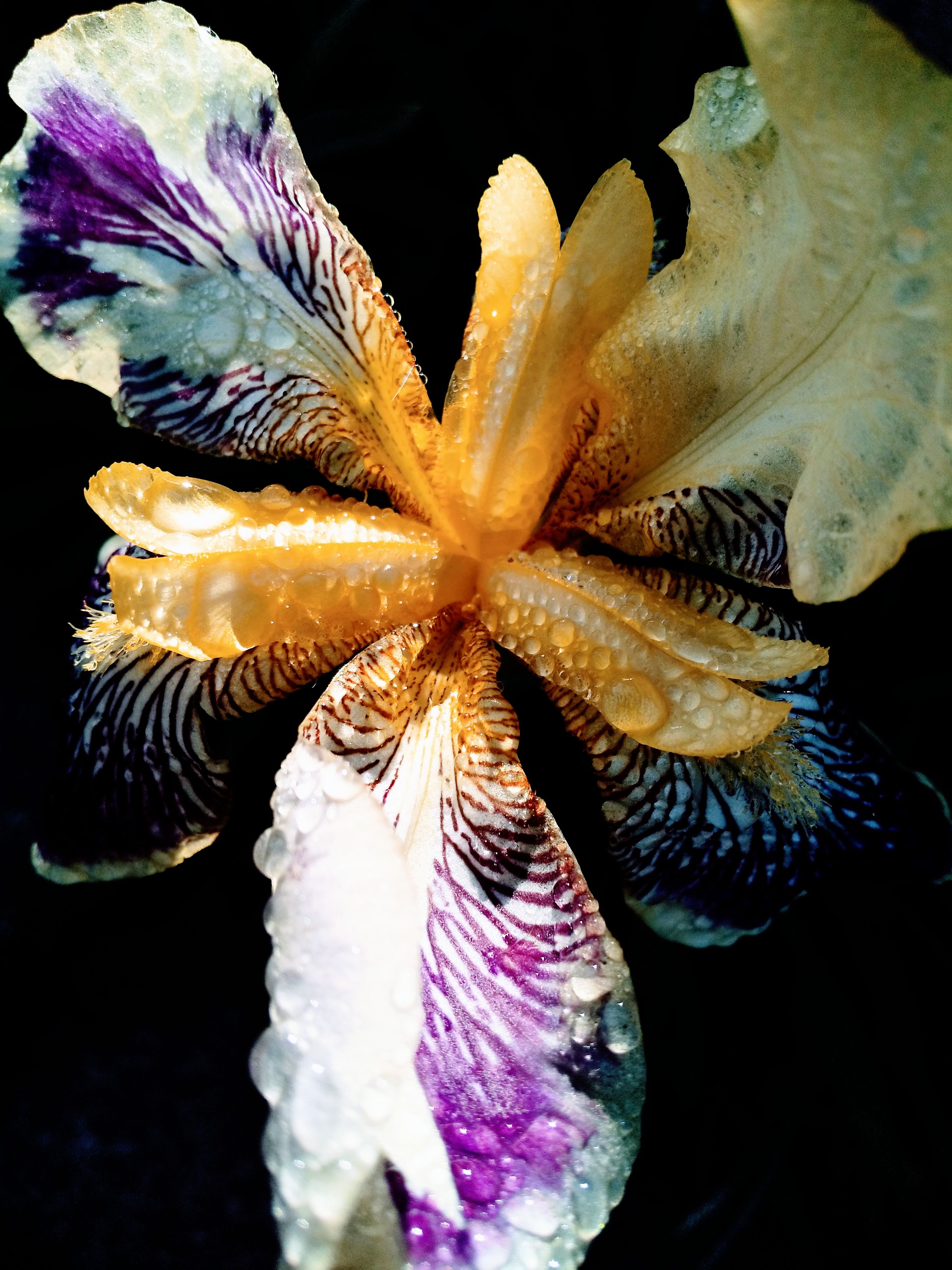
Orchid and Droplets

Recently, as in today, I have been listening to the music of Wardruna, a Norwegian band focused on sharing Old Norse traditions, reclaiming it from those who have misappropriated it. Let’s make it quite clear, I am rather ignorant of many aspects of Old Norse traditions.

The closest I came to learning anything about Old Norse tradition was taking a course on Germanic languages (thank you, Professor Robinson) and studying the rune poems to learn about the runic alphabets. That’s it.

Still, I found myself entranced by the voice of Einar Selvik singing the poem “Völuspá,” which tells the Norse creation myth. Certainly, I understood nothing of the words, but the passion of his voice brought tears to my eyes. Such is the power of music.

Völuspá tells not only of the birth of world, but also its death and rebirth.

Fifteen years ago, I realized that something was terribly wrong. I felt tired, sick, and in pain. For two years, I searched for an answer. At various points, I was convinced that I was just psychosomatic, it was all in my head–it didn’t help that my doctor was dismissive of my condition and did little to help. Ultimately, I learned the name of my condition: fibromyalgia.

I wrote quite a bit about my journey with fibromyalgia between 2011 and 2015. For the past six years, I have remained relatively quiet on the topic and this blog for a variety of reasons. However, I would like to share with you a little about my journey.

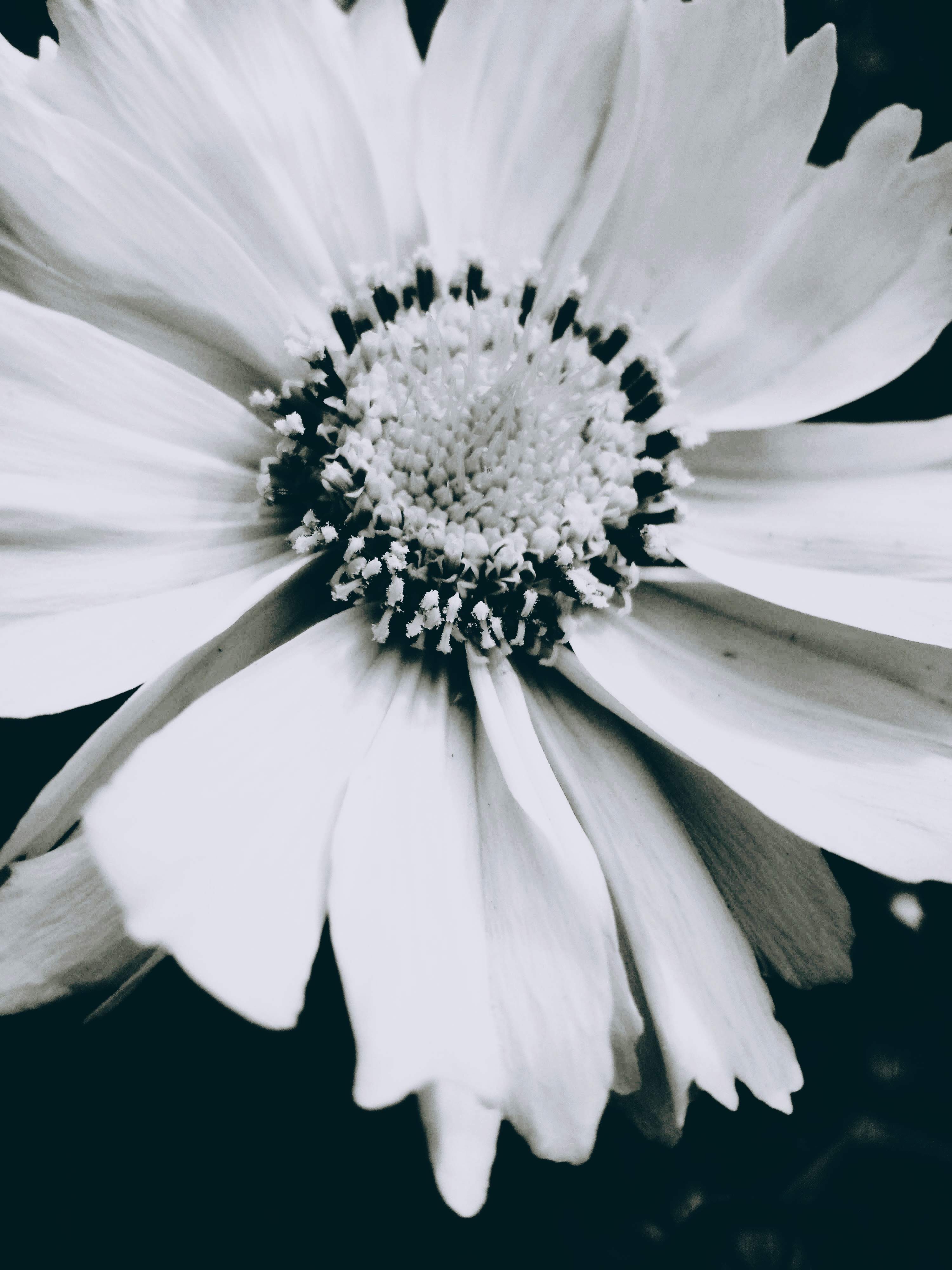
Contrast Petals

If I think back to 2008, when I first received my diagnosis, my mind immediately remembers the laundry list of medications I was asked to take just to function. I spent more time at hospitals and clinics than at any other time in my life. I joined a support group that caused me to realize that there was some other way that I wanted to live…

I wanted to find a path to living a life that held meaning to me and not one defined by my illness. I believe I found it.

I became vegan (now pescatarian), started meditating, doing yoga, and taking walks regularly, and began scaling back on the medications I was being asked to take. Ultimately, I went from taking approximately eleven medications to taking three. And for the past four years, I take only one…and it’s not for fibromyalgia. Instead, I go regularly for acupuncture or massage to help with pain management.

Choosing to Do Things Differently

Living with fibromyalgia means living with uncertainty: uncertainty of what one can do, how one will feel, etc. It is understanding that one’s sense of self-efficacy will be shaken if not shattered. There is nothing quite as humbling as waking up to realize that one can neither move because of pain nor remember a particular word (or two) due to brain fog. One’s body can become an enemy as it seems to work against one’s mind. As a result, one’s self-concept may begin to unravel–it certainly did for me.

I’ve spent the past decade redefining myself, constructing a new self with the fragments of self that survived pre-fibromyalgia, filling in the missing parts with who I have become. Certainly, everyone changes over time. However, developing a chronic illness in adulthood, in particular, means having to accept a change in a well-established sense of self-concept as well as deal with the potential fallout of being ill. A long-term battle between who one is and who one used to be can ensue.

Blossoms…Warmth

So, what can you do?

Choose to experience life differently.

For a long time, I was unhappy with my very nomadic life of living for only few years in any one place. However, now, I believe that my nomadism has been beneficial to my understanding my life with fibromyalgia. With each new place I have lived, I have had a chance to experience the world in a new way. Eventually, I came to the thought: why not remain open to experiencing myself differently, not just the world?

The challenge was no longer to hold on to an old concept of self, an old identity–it was to see and embrace a new aspect of self. Who am I now? How have I changed? What have I learned? Where do I want to go now on my journey?

Choose to ask yourself questions that open yourself to a newer you.

I realized that there was nothing to fear in being different from who I was. In the uncertainty of my condition, I found certainty. Having fibromyalgia has taught me (repeatedly) to be mindful of my physical and mental limits. It has confirmed for me certain goals and allowed me to discard others. I have become a kinder person to myself. Also, I am very curious about how my illness will continue influencing my perception of the world around me.

Remember: be who you are, embrace who you will become. In the interim, work on creating a life full of meaning for you. Let it be a life not defined by, but informed by your challenges.

Look forward to your rebirth.

Until Next Time,

Diedre

Today On My Kindle:

Feeling Good About Yourself Shouldn’t Be A Reward

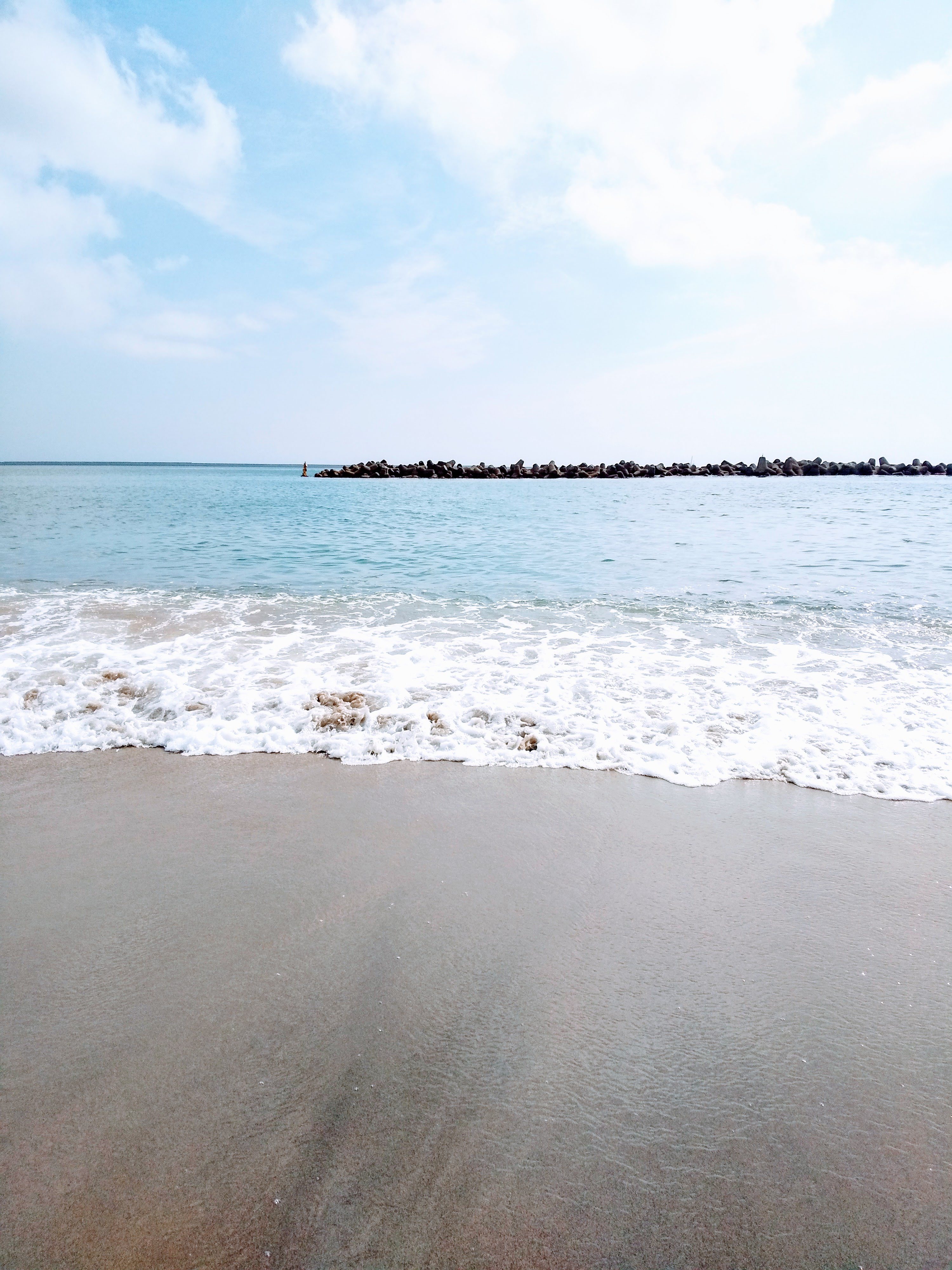
Ajigaura Beach, Ibaraki, Japan

Rewarding oneself is not particularly uncommon. We reward ourselves for a variety of reasons, usually after accomplishing something considered a goal or an important task. If a quick internet search on the topic of rewarding oneself proves anything, it is that, at its core, people are seeking reasons to feel better about themselves.

How we choose to reward ourselves also varies. However, some examples are going out to eat, shopping, or taking a vacation. Using food, in particular, may tap into childhood experiences, where food may have been used either as a reward or punishment, based upon behavior. Ultimately, how you choose to reward yourself for your achievements is how you choose to reward yourself.

Lately, I have been reading about motivation and engagement, particularly within the workplace. After all, I spend a great deal of my working, and understanding how and why I am working is important to me. Just so you know, I tend to be a more intrinsically motivated person, which has its benefits and drawbacks. Regarding engaging with life, I am finding my flow.

Journeying toward the within is lifelong. When I first started this blog, just over a decade ago, I little knew my direction, only that I was moving towards something or self that was different from what I knew or had come to accept. Ten years later, I have come to realize that…

I have spent a long time thinking that feeling good about myself was a type of reward. It wasn’t something that I was allowed to experience on daily basis. It was a treat, as it were. I could reward myself with feeling good about me and my life after I had accomplished something meaningful, after I became someone useful, etc. Feeling good just because I exist wasn’t a concept I inherently understood.

This, of course, may seem rather strange, considering my background as a therapist. Being a therapist doesn’t mean, however, that you have your own psychology completed sorted. After all, therapists need therapists, too. It may be far easier to see the problems of others and understand how to effect positive change than to see and make changes in one’s own life.

I am certain that I am not alone in this thinking pattern of feeling good as a reward. It is telltale of a life defined by expected perfection and overachievement. It can mean a life of never feeling quite good enough and of rarely, if ever, acknowledging what one has done…because there is always some way that one can improve or that something more that should be done. An accomplishment becomes a brief signal that for a moment you can feel good about your existence.

Such a difficult way to live life…

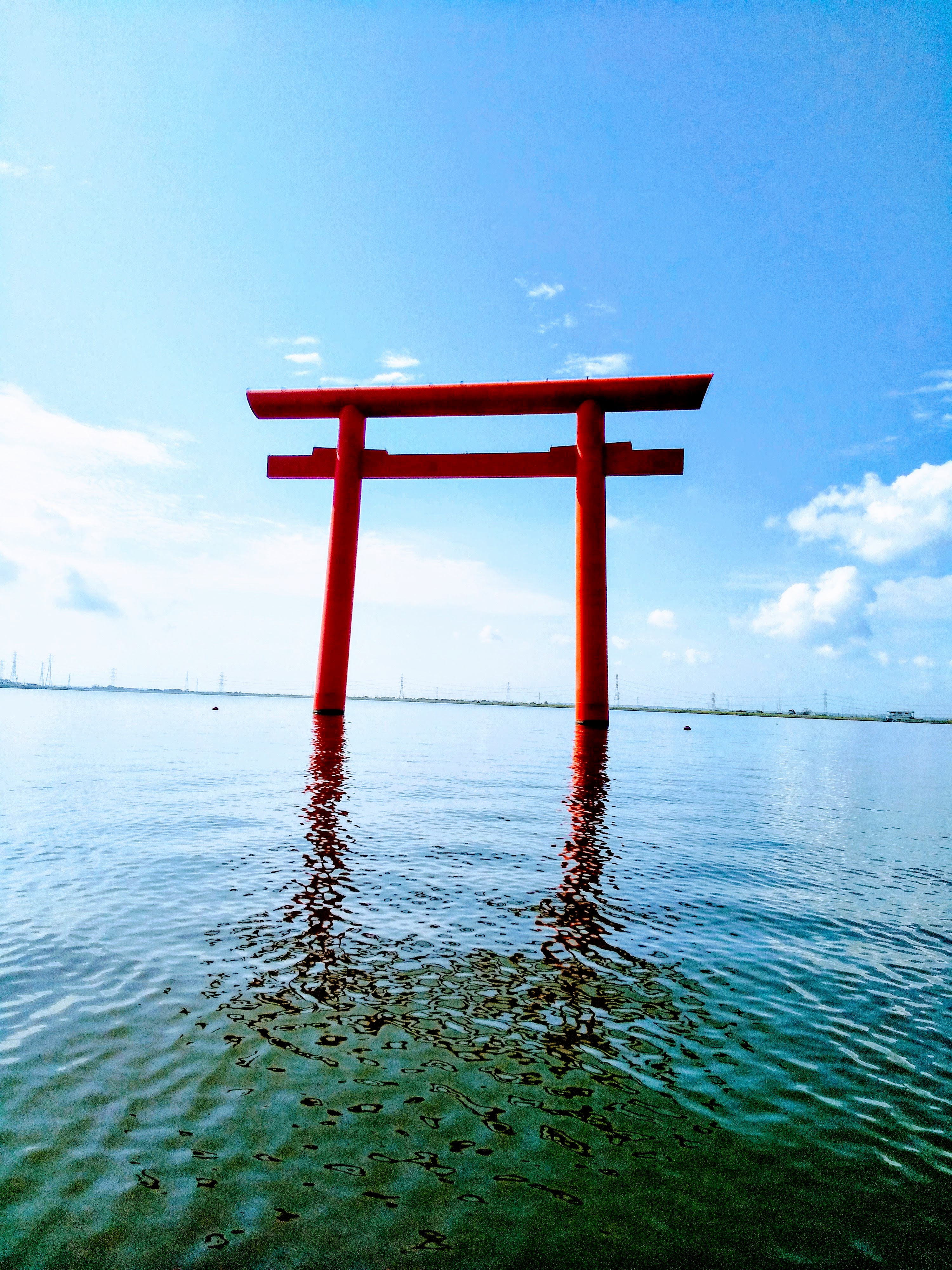
Kashima Shrine Gate, Japan

Feeling good about yourself can be an everyday experience. It comes with acknowledging your existence as being meaningful–that as you are, you are worthy. Worthy of what? Worthy of self-love, self-care, self-regard, self-trust, etc. The life you have built up until now is yours to do with as you will. It isn’t a race that you either win or lose. It is simply a life, one that can be lived positively (if not always happily).

So, where do we go from here? Well, I have a couple of recommendations:

  1. Start simple – Think/write about how you have been viewing you and your life up until now.
  2. Inform yourself – Learn about ways you can improve enjoying who you are in your everyday life.
  3. Step back – Take time to yourself, just for yourself, to do something/experience good.

I enjoy reading. Here are some books that I have been using to help my journey:

Feeling good about yourself, if it is unfamiliar to you, may be likened to forming a new habit. Let’s be real, it will take time, consistency, and a patience. There are various theories and approaches to how one can form a habit. My recommendation is to keep it simple and focus on the moment you are in and how you are feeling.

You may not always feel great about your thoughts and your actions. However, you can always feel good about who you are and your existence.

Check out this interesting article on rewards by Gretchin Rubin (PsychologyToday.com): “Why We Shouldn’t Reward Ourselves for Good A Habits…With One Exception.”

Until Next Time,

Diedre

This morning I woke up

This morning I woke up. The sounds of the day seeped through my rain-streaked windows. My body, chilled by perimenopausal night sweats, ached. I am used to discomfort.

This morning I woke up. And a thought came while I was busying myself, making my bed, shelving books and listening to the ding of my phone:

what if this is it?

If we make it through arduous task of materializing our existence and passing through the narrow canal of our mothers, we say to this world,

“I am here.”

For some who come to meet us, our arrival is enough. That we are here. That we made the journey safely is enough.

“You are here.”

I woke up this morning, you see. I glanced at social media, which tries to inform me that my life should be valued by percentages of views.

Your views are up 5% from yesterday. Your views are down -17% from last week.

I wonder when it begins, this messaging that what you do and…

You are not enough.

Is it the silent thought burning in hearts and minds of some of those who come to greet us on our first day in this world?

Is it in comparisons heard at home and school as we move through childhood?

Is it now at work?

It’s still morning. And, as I wrote, I woke up, perhaps again. I wondered, what if this life that I have lived and am living were my entirety.

Is it enough?

It is. And it isn’t.

There is much that I would still like to do while I am here. Still, I am done with having to prove my value. I have arrived at this point, without uncertainty:

I am here. I am enough.

Poetry | On Language Learning & Negativity

Itako, Japan

On Language Learning & Negativity.

Listen to me.
Like a child,
my words are misspoken
and my grammar is broken.
But, listen to me anyway.

Hear my words
because they have meaning
and create a connection
between you and me.

I am building a bridge
with a language that isn’t my own.
Won’t you help me?
Or, at least, not demean me?

That I speak your language
in broken sentences
and accented words,
what does it matter?

I am trying to build a bridge,
many bridges, in fact.
I am trying to understand
the world around me,
even if you don’t want
to understand me.

SoCS & #JusJoJan 2021 Daily Prompt – Jan. 30th| The Beginning, The End

In the end

I knew what I needed

to do to move forward–

and

that is really all that matters.

Now I only need to step across

the beginning

of my new path.

Poetry | Wantin’ Only (Yourself) – Ronovan Writes Décima Poetry Challenge

Been wonderin’ why you would go

so far, now trippin’ then slippin’

over false words, ego boostin’

love with mirror-kissin’. For show?

Don’t know why you can’t seem to grow

up. And you keep diggin’ lower,

givin’ intelligence over

to fixation rather than care.

Wizen not wise, you live your fear—

bein’ loved just by the hour.

(I came across this challenge today and was excited to try it. This is my first time writing in this form)

From Ronovan Writes:

THE QUICK DESCRIPTION OF HOW TO WRITE A DÉCIMA:

  1. There are 10 lines of poetry that rhyme.
  2. 8 syllables per line.
  3. There is a SET RHYMING PATTERN we must stick to. ABBAACCDDC OR  two stanzas of ABBA/ACCDDC.

Ronovan Writes #Weekly #Haiku #Poetry Prompt #Challenge 342 ROUGH and Season.

Our Last Hike in the White Mountains

Once the journey starts,

harsh words and terrain hinder,

blind us—and now rain.